If lake life is calling your name, Soddy-Daisy puts you close to the water without giving up everyday convenience. Most “lake” addresses here sit on Chickamauga Reservoir, so buying on the waterfront comes with a unique set of rules, perks, and timelines. You want the fun parts like morning coffee on the dock and sunset cruises to be simple, not stressful. This guide walks you through access options, dock permits, flood and water-quality checks, and a practical due-diligence checklist so you can shop with confidence. Let’s dive in.
Soddy-Daisy waterfront at a glance
Soddy-Daisy’s shoreline is part of Chickamauga Reservoir, a Tennessee Valley Authority system with long, irregular banks and protected embayments like lower Soddy Creek. That variety means you will see main-channel frontage with deeper water as well as quiet coves and creek lots that can be shallower. Local plans highlight how these water features shape recreation and neighborhood access across the area. You can review the local context in the regional summary from Plan Hamilton.
TVA manages reservoir levels seasonally, which can affect how and when you use the shoreline. Before you compare properties, check current lake levels and recent trends on Chickamauga lake level reports. For reference, TVA documents list a normal full-pool elevation around 682 to 682.5 feet above mean sea level, with seasonal drawdowns that can expose shoals and change access in shallow coves. You can see a technical reference to operating levels in this TVA-related document.
Where you access the water
You do not have to live on the water to enjoy it. Holly Park in the Soddy area offers a neighborhood-scale boat ramp and small public docks, and local plans have targeted ramp and dock upgrades. Larger regional access points include Harrison Bay State Park and Booker T. Washington State Park, which is one reason many buyers choose non-waterfront homes near Soddy-Daisy for easier ownership with plenty of access.
If you prefer to keep a boat without maintaining a private dock, a full-service marina is a smart option. Harbor Lights Marina in Soddy-Daisy offers covered slips, dry-stack storage, fuel, pump-outs, and an onsite restaurant. If a slip is essential, contact marinas early to confirm slip sizes, water depths, waitlists, guest policies, and fees.
Property types and what to expect
Direct waterfront with a dock
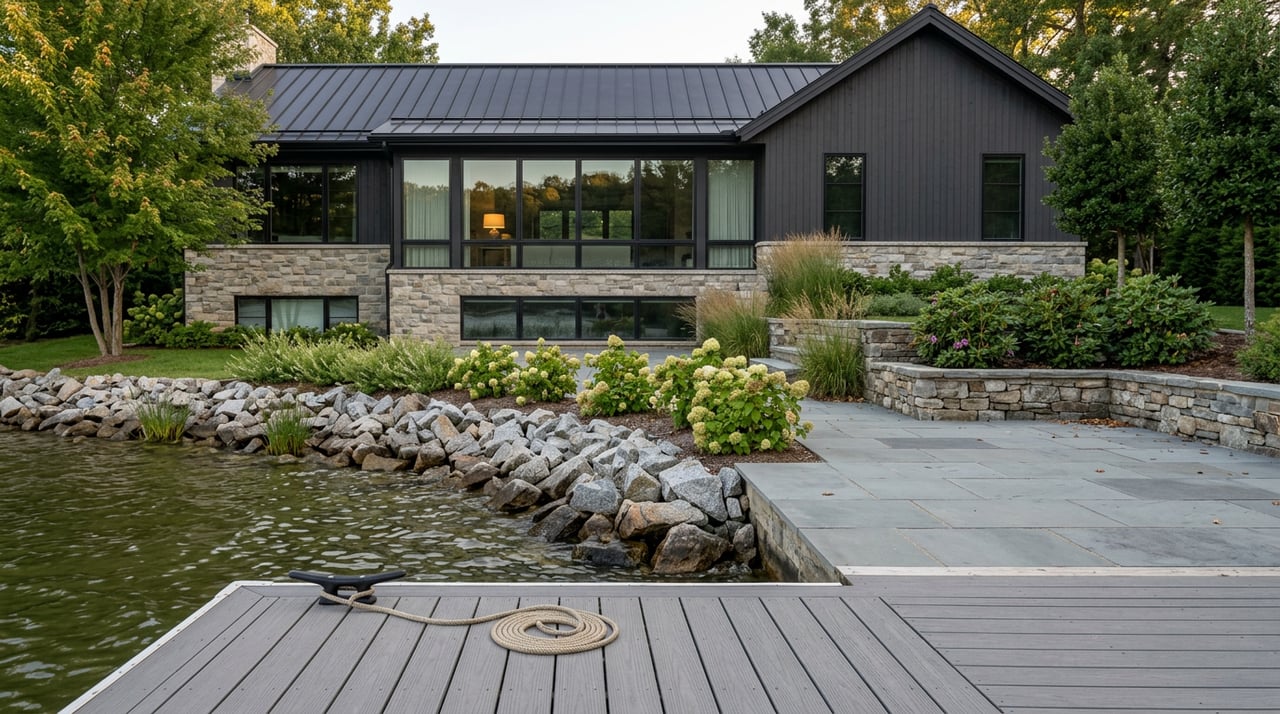
Some parcels include shoreline plus a permitted dock or boathouse. On TVA reservoirs, shoreline facilities require TVA approval, and existing permitted structures often transfer with the property. Ask the seller for the TVA Section 26a permit number and any related approvals, and confirm the transfer process with TVA. The TVA shoreline permits FAQ outlines how transfers work.
Waterfront without dock rights
Other lots touch the water but cannot add a private dock based on TVA land-rights, zoning, or environmental constraints. These properties often cost less than deeded-dock lots, but you should never assume dock eligibility. TVA provides interactive land-rights information and explains eligibility in the TVA shoreline permits FAQ. Not all waterfront lots are dock-eligible.
Community or HOA access
Many neighborhoods offer shared docks, a community ramp, or shoreline access. Review CC&Rs to understand slip allocation, boat-size limits, guest policies, maintenance obligations, and special assessments. Always request rules in writing before you make an offer.
Vacant lots and older cottages
Vacant shoreline parcels and small cottages are common. Outside city limits, centralized utilities can be limited, and septic or well systems are typical. Plan for septic evaluations, potential shoreline stabilization, and the full TVA permitting path before you expand or add a dock, as noted in the Plan Hamilton area summary.
Dock permits and shoreline rules
On Chickamauga and other TVA reservoirs, virtually all shoreline work requires TVA’s written approval under Section 26a. That includes residential docks, boathouses, piers, bank stabilization, vegetation removal, and certain paths to the water. The TVA shoreline permits FAQ explains what qualifies as a minor versus major application and how to check land-rights eligibility.
Practical details to plan for:
- TVA lists an initial application fee of about $1,000 for many minor residential reservoir applications.
- TVA targets review times of about 100 to 120 days for minor projects. Reviews can take longer if biological, archaeological, or state approvals are needed.
- Permits can expire if you do not start work within 18 months.
- New owners must apply to transfer ownership of existing permitted facilities and notify TVA after closing.
Some projects also need state and federal approvals. Shoreline stabilization, dredging, or fill can require a Tennessee Aquatic Resource Alteration Permit or a Section 401 water-quality certification from TDEC. Coordinate early if you plan any of this work. You can read more about state approvals through TDEC’s ARAP and Section 401 guidance. TVA also requires vegetation management plans in many applications, since tree removal and bank changes can trigger erosion and habitat concerns.
Recreation, safety, and seasonal realities
Tennessee boating rules cover vessel registration, equipment, and operator education. If you are a Tennessee resident born after January 1, 1989, you generally need a boater education certificate to operate certain vessels. Before you launch, review current regulations with TWRA’s boating rules and education.
Reservoir boating has unique variables. Seasonal drawdowns can reduce depth in coves, and submerged debris is possible, especially after storms. Check water levels, and consider hiring a local marine contractor to assess navigable depth for your specific boat type before you commit. For an at-a-glance snapshot of conditions, use the Chickamauga lake level reports. Marinas and public ramps also have practical considerations like ramp width, parking, and tournament weekends. Call ahead to confirm services, hours, and guest policies at places like Harbor Lights Marina.
Flood risk, water quality, and insurance
Flood risk is a transaction-level issue for many lakeside parcels. Review FEMA Flood Insurance Rate Maps and county floodplain records for each property. If a structure lies in a Special Flood Hazard Area and you use a federally regulated mortgage, your lender will generally require flood insurance. Ask for the seller’s elevation certificate when available and speak with the local floodplain administrator if you have mapping questions. Hamilton County provides guidance in its floodplain and map resources.
Water-quality advisories can vary by location and change over time. TDEC posts fish-consumption and water-contact advisories across the state and updates them regularly. Before you buy, review TDEC’s current posted streams and reservoirs list for areas near your preferred access points.
Invasive species like zebra mussels and certain aquatic plants are present in parts of Tennessee’s reservoir system. TWRA and TDEC publish best practices for decontamination and prevention, which can influence how you move boats between waterbodies and maintain intakes or docks. For context on state policy and prevention, see Tennessee’s Aquatic Nuisance Species Management Plan.
Smart due-diligence checklist
Use this quick list before you write an offer:
TVA permits and records
- Request any Section 26a permit numbers for docks, lifts, boathouses, and shoreline stabilization. Confirm transfer requirements and expiration dates. If no permit exists, verify whether TVA land-rights allow a new application.
Flood maps and elevation data
- Pull a FEMA FIRMette and ask for any elevation certificates. If the home sits in a mapped flood zone, plan for lender-required flood insurance.
State approvals
- For planned shoreline stabilization, dredging, or fill, contact TDEC about ARAP or Section 401 needs and coordinate with TVA on sequencing.
Utilities and septic
- Confirm whether the home has municipal water/sewer or private well and septic. Order septic inspections and pump records for older shoreline homes.
Docks and moorage
- If you rely on a community dock or marina, review rules, fees, slip assignments, waitlists, guest use, and any special assessments in writing. If a private dock exists, have a qualified marine contractor inspect structure, fasteners, lifts, and electrical.
Environmental and health
- Check TDEC’s posted advisories for public access areas near the property. Ask the seller about any shoreline erosion, repairs, or insurance claims.
Title and easements
- Review CC&Rs, recorded easements, riparian rights language, and any TVA shoreline encumbrances that could limit where you place structures.
Timelines, costs, and planning
Plan your timeline based on the property type and your goals. If a home already has a permitted dock and all records are in order, you can usually keep your closing on a normal schedule, then file the required transfer paperwork with TVA after closing. If you need to build or modify a dock, expect roughly 100 to 120 days for TVA to review a minor application, plus added time for any TDEC approvals or specialized studies.
Budget the initial TVA application fee for minor residential work, potential engineering drawings, and marine contractor quotes. Also, allow time for site visits and coordination among TVA, TDEC, and the U.S. Army Corps of Engineers if your project requires multiple approvals. Shoreline construction windows can also depend on water levels and seasonal conditions, so get your contractor involved early.
How I help you buy with confidence
Buying lake property is part lifestyle and part logistics. You deserve an advisor who can help you enjoy the first part and manage the second. I combine local expertise across Sequatchie Valley and nearby waterfronts with hands-on guidance for permits, septic and utilities, and flood and title reviews. I also coordinate with trusted marine contractors, TDEC contacts, and Hamilton County officials so you have clear answers before you commit.
If you are ready to explore Soddy-Daisy waterfront options, let’s put a plan together that fits your timeline and budget, then match you with the right access, slip plan, and due diligence path. Schedule a free consultation with Autumn Higdon.
FAQs
What counts as “waterfront” in Soddy-Daisy?
- Most local “lake” homes sit on Chickamauga Reservoir, with options from main-channel frontage to quiet coves and creek embayments; seasonal water levels can change depth and access in shallower areas.
Can I add a dock if my lot touches the water?
- Not automatically; TVA land-rights and Section 26a rules control eligibility, so verify with TVA’s guidance and ask the seller for any existing permit records before assuming you can build.
Do I need flood insurance for a Soddy-Daisy lake home?
- If the structure is in a FEMA Special Flood Hazard Area and you use a federally regulated mortgage, your lender will generally require it; many buyers outside mapped zones still choose a policy for added protection.
How can I get on the water without owning shoreline?
- Use nearby public ramps and parks for launches, and consider a slip or dry-stack at a full-service marina; contact marinas early to confirm slip sizes, depths, and waitlists.
What are typical permit timelines and fees for a new dock?
- TVA lists an initial fee of about $1,000 for many minor residential applications and targets about 100 to 120 days for review, with added time if state approvals or studies are needed; permits can expire if work does not start within 18 months.