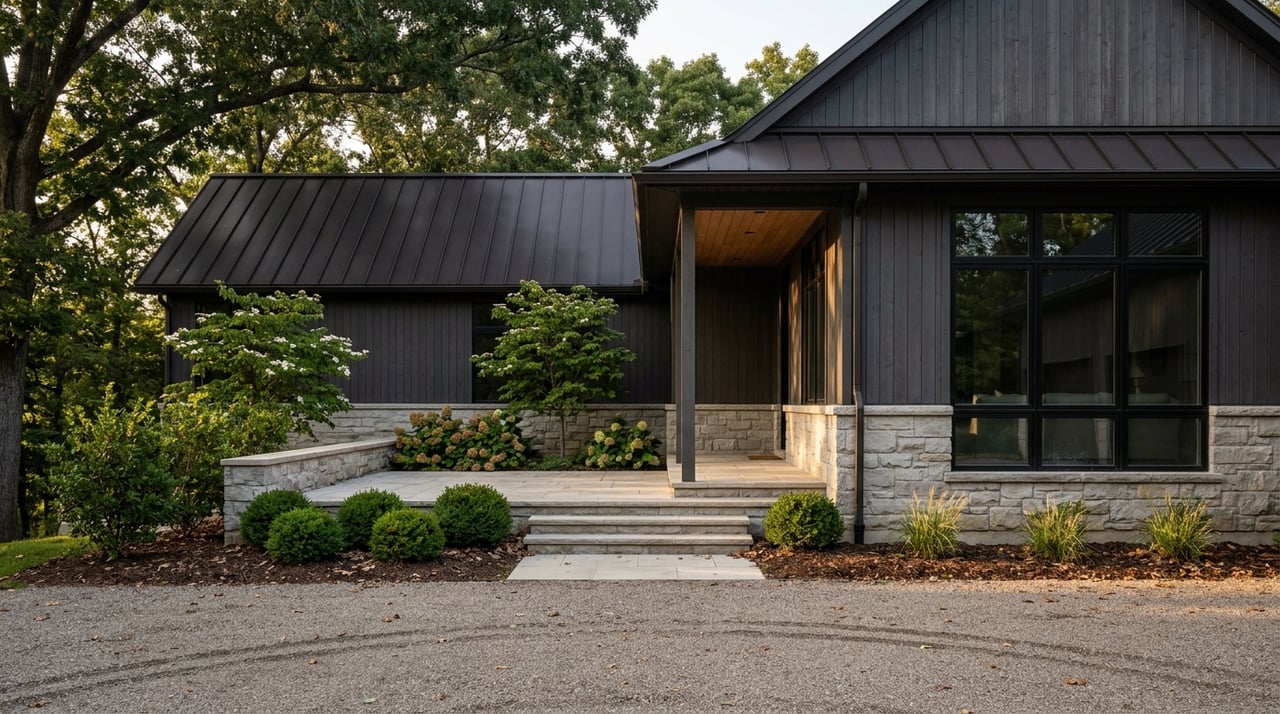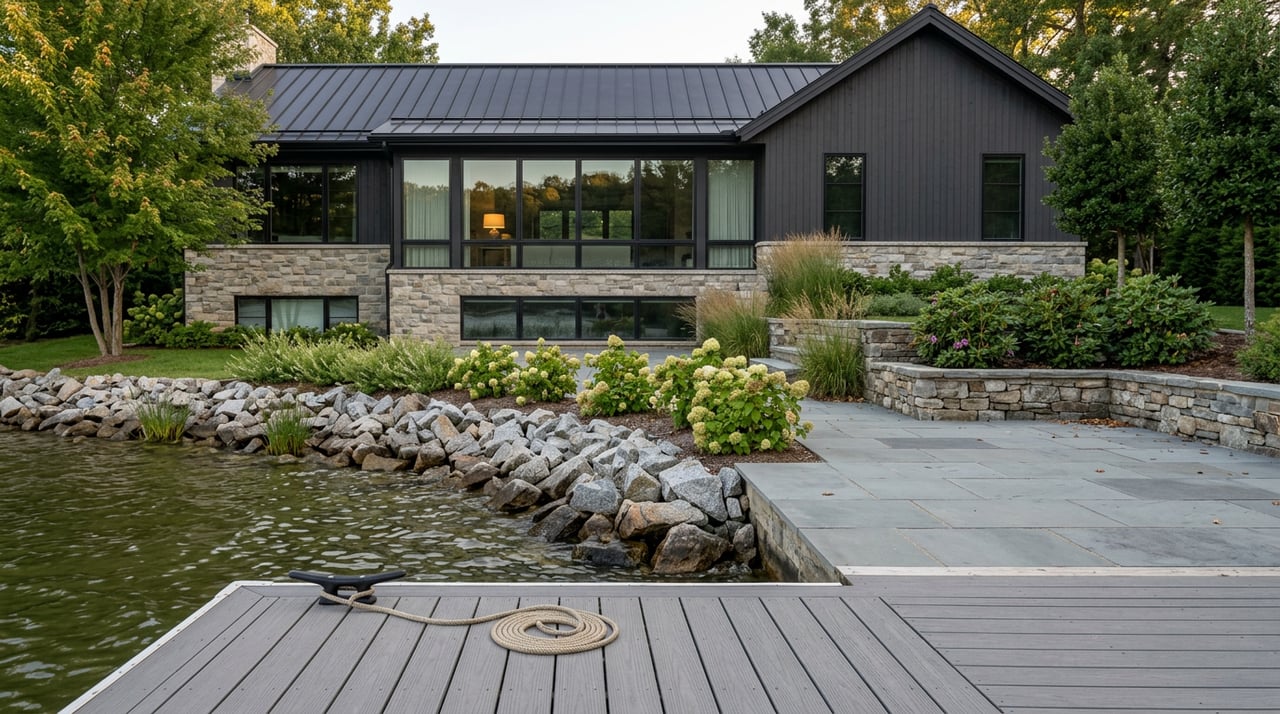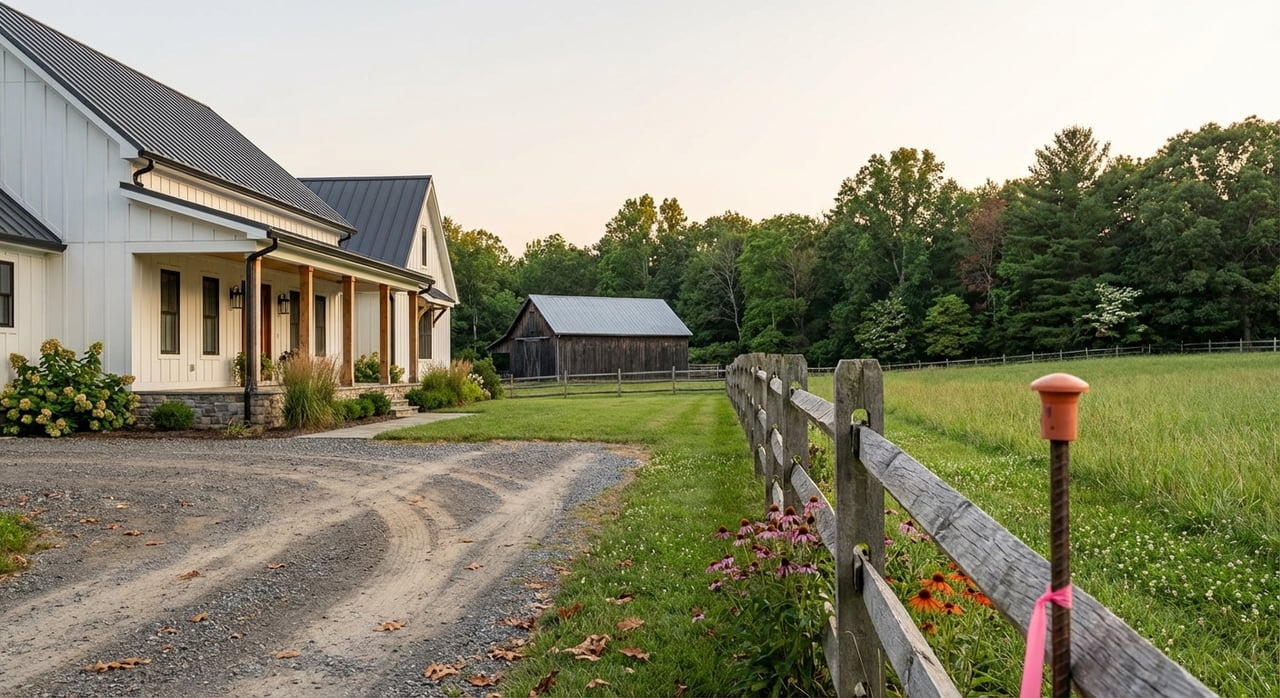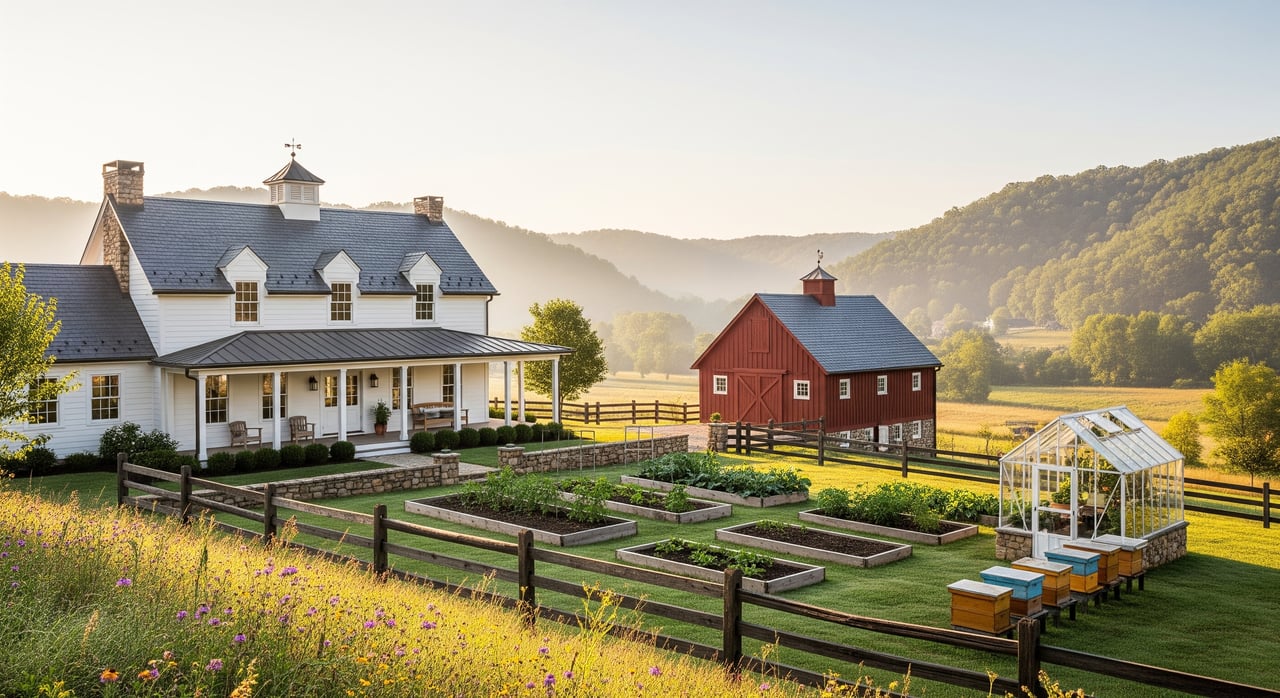
Dreaming about a small slice of country life in Dunlap where you can keep a garden, raise a few animals, and enjoy room to breathe? Buying a mini-farm in the Sequatchie Valley is exciting, but rural land comes with details that are easy to overlook. You want to feel confident about soils, water, access, and the rules before you make an offer. This guide walks you through the key checks, local considerations, and smart steps so you can buy with clarity. Let’s dive in.
What “mini-farm” means in Dunlap
A mini-farm in the Sequatchie Valley usually means 1 to 20 acres used for a mixed rural lifestyle. Many buyers land in the 2 to 10 acre range. You might keep a few cattle, sheep, or goats, set up a garden and small orchard, and add a simple barn or equipment shed.
The valley floor holds deeper, flatter soils that favor pasture and crops. Steeper slopes and ridgelines tend to be rocky and wooded, which is great for privacy but not as useful for grazing or planting. Keep this valley-versus-ridge pattern in mind when you evaluate how much land you can actually use.
Start with usable acres, not just acres
Total acreage rarely equals usable acreage. Walk the land and look for steep slopes, heavy woods, rock outcrops, stream buffers, and any wet or seasonally soggy spots. These areas can reduce the ground you can fence, mow, or build on.
- Ask for a recent survey and a topographic map. Slopes over 15 percent can limit pasture and complicate driveways or foundations.
- Visit after a good rain and again during winter leaf-off. You will see drainage patterns, wet pockets, and sunlight better.
- Map out pasture and garden zones versus natural areas you might keep wooded.
Soils, drainage, and septic
Soil is the backbone of a mini-farm. It affects pasture health, garden success, pond feasibility, and your septic system.
- Pull a parcel report from the USDA NRCS Web Soil Survey. Check drainage class, depth to bedrock, rock content, and suitability for pasture, crops, and septic.
- If you plan a pond, know that reliable ponds depend on clay content and contours. A soils pro can spot this early.
- Most rural homes here use private septic. Confirm the system type, age, capacity by bedrooms, and permits with the county health department. Poorly drained soils may need an engineered system.
Water: wells, springs, and surface water
Good water is non-negotiable. If the property has a well, ask for the well log, pump details, and a recent lab test.
- Test for coliform bacteria and nitrates and confirm flow rate. A local well driller or lab can handle this, and your lender may require it.
- If there is a spring or surface intake, confirm reliability in dry months and any needed filtration. Make sure any water use is legal and documented.
- Identify all ponds and streams. Note any riparian setbacks or buffers and whether water rights are spelled out in the deed.
For well construction standards and environmental rules, review the Tennessee Department of Environment and Conservation.
Flood risk and siting
The Sequatchie River and its tributaries create rich valley soils, but lowlands can flood or stay saturated seasonally. Before you picture your garden and barn, check flood status.
- Use the FEMA Flood Map Service Center to see if any part of the property sits in a mapped flood zone.
- If a home or planned building pad is in a floodplain, your lender may require flood insurance.
- Ask the seller about past flooding or high-water events and confirm with your surveyor.
Access, roads, and easements
Legal, reliable access is essential for living, lending, and resale.
- Confirm a recorded access easement or deeded road to the property. Do not rely on informal paths.
- Clarify who maintains the road. County, state, or private? If it is private, look for a written maintenance agreement.
- Walk the driveway. Steep grades can limit trailers, equipment, and emergency vehicle access, especially in winter.
Utilities and broadband
Rural services vary by location and distance from the road.
- Electricity: Verify service at the property line and the cost of any line extensions or upgrades. Some equipment may need more capacity.
- Heating: Many mini-farms use propane or wood. Confirm tank ownership and service options.
- Internet: Options range from fiber or cable in some corridors to DSL, fixed wireless, or satellite. If you work from home, contact providers before you commit.
- Sewer is unlikely. Plan on private septic.
Outbuildings, fencing, and timber
Outbuildings can make or break your setup. Inspect each structure as you would a house.
- Barns and sheds: Check roof age, foundations, framing, permits, and intended use. Buildings designed for storage are not approved for people without upgrades.
- Fencing: Walk fence lines. Note age, condition, and whether the layout supports rotational grazing.
- Timber: Wooded acres can hold value for habitat, privacy, or future harvest. Confirm any timber deeds or prior sales.
Environmental limits and conservation
Certain areas require extra care and may limit where you can build, fill, or clear.
- Wetlands can be regulated. A specialist can flag wet spots that show up seasonally.
- Sensitive habitats may exist. Check state conservation databases if a parcel looks unique.
- Conservation easements or deed restrictions can permanently limit use and subdivision. Your title review should identify these.
If you expect larger livestock numbers or manure storage, review state rules with the Tennessee Department of Environment and Conservation and technical programs through USDA NRCS.
Local rules, taxes, and programs
Sequatchie County is practical about rural life, but you still want to confirm what is allowed and how the property is taxed.
- Zoning and permits: Check with county planning and building for setbacks, accessory buildings, and permit needs. Verify permits on existing improvements.
- Agricultural tax classification: Tennessee’s agricultural and forest classifications, often called Greenbelt, can reduce assessments when land meets use and acreage criteria. Confirm eligibility, transfer steps, and any rollback exposure with the county assessor.
- Right to Farm: State law offers nuisance protections for established farm operations that meet standards. Review details with the Tennessee Department of Agriculture.
- Mineral and timber rights: In Tennessee, these can be separate from surface rights. Confirm what conveys and whether any leases exist.
For program maps and records, you can also consult the USDA Farm Service Agency.
The right team for due diligence
Rural land rewards a thorough approach. Line up the right pros early.
- Real estate attorney for title, deed language, and easements
- Licensed land surveyor for boundaries, easements, and topography
- Soil scientist or UT Extension agent for soils and pasture planning
- Septic inspector or county health department for system capacity and condition
- Well driller or lab for water testing and well logs
- Structural contractor for barns, outbuildings, and home systems
- Forester or arborist for timber value and tree safety
- Lender experienced in rural and acreage properties
The UT Extension and local USDA NRCS office are excellent technical resources for pasture, forage, and conservation questions.
Smart timeline during contingencies
Use your contract window to confirm the big items in the right order.
- Week 1: Order title and a new survey if needed. These can reveal access or easement issues early. Pull FEMA flood panel and property tax records.
- Week 1 to 2: Schedule well water testing and septic inspection. Start the NRCS Web Soil Survey review and walk the site with a soils pro if you have questions.
- Week 2 to 3: Confirm utility service and any line extension costs with providers. Evaluate outbuildings with a contractor.
- Week 3 to 4: Review Greenbelt eligibility and any rollback tax risks. Resolve open items with seller credits or repairs before you remove contingencies.
Financing and negotiation basics
Mini-farms can qualify for several loan types, depending on use and improvements.
- Financing options can include conventional mortgages, USDA Rural Development loans where eligible, VA loans in some cases, and agricultural loans for income-producing operations. Land-only financing is possible but often comes with higher rates and shorter terms.
- Lenders will look for legal access, acceptable well and septic, and sufficient usable acreage for the stated purpose. Ask your lender about inspection requirements early.
- Negotiation levers include credits for well remediation, septic replacement, driveway improvements, and fence repairs. Keep contingencies for well flow and water quality, septic, and survey-confirmed access.
Quick buyer checklist for Dunlap mini-farms
Use this to track the essentials as you evaluate properties.
- Confirm a recorded legal access easement and review a recent survey.
- Pull the USDA NRCS Web Soil Survey and walk the land after rain.
- Test well water for bacteria, nitrates, and flow. Verify septic capacity, permits, and maintenance records.
- Check the FEMA Flood Map Service Center and ask about flood history.
- Verify electric service capacity and internet options with providers.
- Review the deed for conservation easements, deed restrictions, mineral reservations, and timber rights.
- Confirm Greenbelt eligibility and any rollback taxes with the county assessor.
- Engage a local attorney, surveyor, and lender who know rural properties.
Buying in the Sequatchie Valley should feel grounded and rewarding. With the right checks and a local advocate on your side, you will understand the land, the rules, and the true cost of making it yours. If you are ready to compare listings, walk acreage, and build a smart plan for your mini-farm, reach out to Autumn Higdon to schedule a free consultation.
FAQs
How many acres do I need for livestock on a Dunlap mini-farm?
- Stocking rates vary by species and pasture quality. Rotational grazing can lower acreage needs. Check local guidance through UT Extension and evaluate soils and forage before you buy.
Do I need flood insurance in the Sequatchie Valley?
- If the home or building site is in a FEMA-mapped floodplain, lenders generally require flood insurance. Verify status on the FEMA Flood Map Service Center.
How do I check soils and septic suitability before I offer?
- Review the parcel on the USDA NRCS Web Soil Survey and schedule a septic inspection through the county health department during your contingency period.
Can I build a pond on my Dunlap property?
- It depends on soil permeability and land contours. A soils professional can evaluate feasibility. If any wetlands or streams are involved, consult TDEC and NRCS for guidance before you dig.
What is Tennessee’s Greenbelt program for mini-farms?
- Qualifying agricultural or forest land can receive a lower property tax assessment under state rules. Confirm local criteria, transfer steps, and any rollback taxes with the Sequatchie County Assessor.
How do I confirm legal access to a landlocked parcel near Dunlap?
- Order a title search and a survey that show a recorded access easement or deeded road. Lenders typically require documented legal access before closing.