Picture yourself sipping coffee on a quiet morning while your chickens scratch in the yard and a small garden soaks up Sequatchie Valley sun. If you have been dreaming about space for animals, veggies, and a slower pace, you might be asking what a mini-farm in Dunlap really is. The answer depends on your goals, your land, and the systems that support it. In this guide, you will learn what counts as a mini-farm here, what to look for in land and infrastructure, how the lifestyle works day to day, and the key rules and financing to know before you tour. Let’s dive in.
What counts as a mini-farm in Dunlap
A mini-farm, also called a hobby farm or small acreage property, is a home with land used for small-scale agriculture and lifestyle purposes. It focuses on self-sufficiency, animals, gardens, or a part-time venture rather than full commercial farming.
In and around Dunlap, most mini-farms sit on roughly 1 to 10 acres, with some buyers stretching up to about 20 acres if they want more pasture or hay ground. Smaller parcels around 1 to 3 acres can suit gardens, chickens, and a few small animals. Properties in the 5 to 10 acre range allow rotational pasture, a couple of larger animals, and room for outbuildings. Beyond 10 acres, you start to approach small commercial or part-time farm potential, depending on layout and soil quality.
Common mini-farm types you will see in the Sequatchie Valley include:
- Hobby livestock such as chickens, ducks, goats, or sheep, and sometimes a horse or two
- Market gardens or CSA operations with raised beds or high tunnels
- Small orchards and berries, like apples, peaches, pears, and brambles
- Horse properties with paddocks, a loafing shed, and maybe a small arena
- Retreat homes with pollinator plantings, a vegetable garden, and light animal keeping
Expect the term “mini-farm” to vary by listing. It is a market shorthand, not a legal category, so make sure the acreage and infrastructure match your plans.
Dunlap land and climate basics
Landscape and usable acres
Dunlap sits in a long, scenic valley with plateau escarpments on both sides. Flat or gently rolling ground tends to lie on the valley floor and benches. Hillsides can be steeper and better suited to forest, pasture with erosion control, or small terraced areas. When you review a property, look beyond total acreage to the portion that is truly usable for gardens, pasture, and buildings. Ask about flood risk and walk the land to judge slope and access.
Soils and drainage
Valley-floor soils are often deeper and more fertile for pasture and gardens. Hill soils may be shallower and more erosion prone. A soil test through the local extension office or a certified lab will help you evaluate pH, nutrient levels, compaction, and any limitations. Soil testing is a simple step that can save you time and money later.
Water, septic, and services
Inside town you may find municipal water, while many rural mini-farms rely on private wells and septic systems. Water availability, well depth and yield, and recent test results are important factors. For septic, confirm age, capacity, and permit history. Internet and cell coverage can vary in rural valleys, so check connectivity if you plan to work from home.
Climate and growing season
The Sequatchie Valley has a temperate, humid climate with four distinct seasons. Microclimates exist between the valley floor and higher benches. Before mapping out crops, confirm frost dates and plant hardiness guidance with the county extension office. Local advice will help you place gardens, select varieties, and time plantings.
Essential infrastructure to look for
Buildings and outbuildings
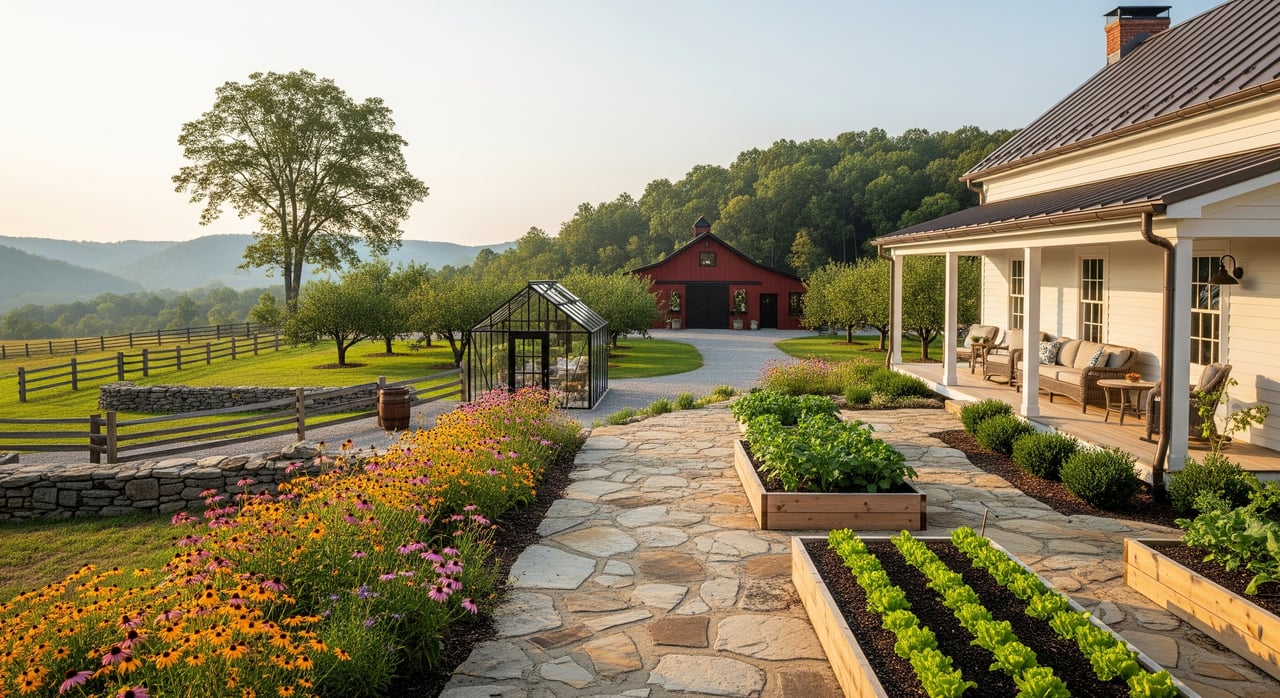
Most mini-farms rely on a mix of practical structures. Common finds include:
- Barns or multi-purpose pole barns for storage and small livestock
- Loafing sheds or run-ins for horses or goats
- Chicken coops or small poultry houses
- Tool or tractor sheds and hay storage
- Greenhouses or high tunnels for season extension
Check roof condition, ventilation, floor surfaces, and access for equipment. Good layout and airflow make daily chores easier and healthier for animals.
Fencing, paddocks, and pastures
Fencing types range from welded or field wire to post-and-rail for horses, plus permanent or temporary electric for rotational grazing. Walk fencelines and gates to assess age, post stability, and the presence of cross-fencing for paddocks. Look at pasture quality, weed pressure, and signs of erosion.
Utilities and site systems
- Water: Review well age, depth, and yield if applicable. Confirm any municipal connection points and how water distributes to barns and paddocks.
- Septic: Ask about system type, age, maintenance records, and permits. Rural systems require routine care and site-specific capacity.
- Electric: Confirm service capacity and panel condition, especially if you plan to power a barn, cold storage, or specialized equipment.
- Internet and cell: Verify broadband options and coverage that meet your needs.
Access and easements
Driveway condition and legal access matter year-round. Ask whether a driveway crosses neighboring land, whether there is a recorded easement, and who maintains the road. Confirm right-of-way details on surveys and recorded documents.
Mini-farm lifestyle and fit
Matching goals to resources
- Weekend homesteader or retreat: A modest garden, chickens, simple pastures, and basic storage can deliver the lifestyle at a lower cost and effort.
- Market garden or CSA: You will need irrigation, wash/pack space, cold storage, and a plan for marketing and food safety requirements.
- Equestrian: Horses require fenced pastures, reliable water, run-ins, and often an arena surface. Plan for higher care costs and liability.
- Part-time livestock: Cattle, goats, or sheep benefit from rotational grazing, dependable fencing, and access to hay for winter.
Time and costs
Mini-farms involve daily chores, seasonal bursts of work, and ongoing maintenance. Budget for feed and hay, veterinary or farrier care, fencing and building repairs, fuel, equipment, and insurance. Expect periodic capital expenses such as well or septic work, barn updates, or equipment replacement.
Animals and crops that fit
Poultry and small ruminants like goats and sheep are space-efficient and suit small acreages. Horses and cattle require more pasture per animal or a reliable hay supply in winter. Fruit trees and berries perform well in the valley but need thoughtful siting, pruning, and pest management. For stocking rates and crop specifics, reach out to the local extension office for tailored recommendations.
Biosecurity, welfare, and liability
If you keep livestock, practice basic biosecurity, such as isolating new animals and managing visitor access around animals and housing. Keep clear records of vaccinations and treatments. Consider liability coverage if you plan to host visitors, offer rides, or open your farm to the public.
Rules, taxes, and financing
Zoning and permits
Rural Tennessee counties often have limited zoning, but you may encounter subdivision rules and building permits for new structures or additional dwellings. Local rules can affect accessory buildings and any commercial activities like a farm stand. Contact Sequatchie County planning and building offices to confirm what applies to your property and plans.
Septic, well, and environmental standards
Tennessee requires permits and inspections for well and septic installations. The county health department and state environmental agencies oversee these standards. Before you buy, verify septic permit history, inspection records, and any available well logs.
Agricultural tax assessment
Some properties can qualify for agricultural classifications that may reduce property taxes when land is actively farmed. Eligibility and documentation vary, so check with the Sequatchie County property assessor or tax office. Ask what records you need and how changes in use could affect your status.
Financing options
Financing for mini-farms can include conventional mortgages, USDA rural housing loans, and agricultural loans through USDA agencies, depending on your qualifications and intended use. Lenders may treat small farms differently than residential properties, especially if they include significant acreage or income-producing elements. A local lender familiar with rural properties can help you match your goals to the right loan type.
A smart touring checklist
Use this quick checklist when you walk a property:
- Usable acres vs total acres and where slopes or wooded areas reduce practicality
- Topography and drainage, including wet spots or seasonal flooding
- Fencing condition, gates, and whether cross-fencing allows rotational grazing
- Barns and outbuildings, with attention to roofs, foundations, ventilation, and storage
- Water systems: well age, depth, and yield or municipal connection and how water reaches fields
- Septic system type, age, maintenance records, and permit history
- Electric capacity at the house and any outbuildings, plus broadband and cell coverage
- Road access, driveway condition, and maintenance responsibilities or easements
- Legal items: boundaries, recorded easements, floodplain or wetlands, and any conservation restrictions
- Pastures and hay fields: forage quality, weed presence, brush encroachment, and erosion
Questions to ask the seller, agent, or county officials:
- What portion of the acreage is level and usable for agriculture, and is that documented on a survey?
- Are there well logs, septic permits, and maintenance records available?
- Are there any recorded easements, access agreements, or conservation restrictions?
- Has the property been enrolled in any agricultural or tax reduction program?
- Who supplies local hay and what are typical winter availability trends?
- What local vet, farrier, and feed suppliers serve the area?
- Are there neighborhood or county rules that limit animal types or number, or that regulate commercial farm activities?
- Will I need utility upgrades for planned uses, such as more power to a barn or cold storage?
Your next step in Dunlap
In the Sequatchie Valley, a mini-farm is less about a fixed acreage number and more about matching the right land, water, and infrastructure to your goals. Focus on usable flat acres, soil and water quality, sturdy fencing and barns, and reliable access and utilities. Connect early with local resources, including the extension office and county departments, so you can plan with confidence and avoid surprises. If you want help finding the right property or weighing trade-offs between parcels, lean on a local expert who understands both lifestyle goals and rural due diligence.
Ready to explore mini-farms around Dunlap? Schedule a free consultation with Autumn Higdon to start a focused search and tour properties that fit your vision.
FAQs
What acreage defines a mini-farm in Dunlap?
- Most mini-farms are 1-10 acres, with some buyers stretching to about 20 acres for more pasture or hay.
How do wells and septic systems affect a purchase in Sequatchie County?
- Many rural properties use private wells and septic, so verify well yield and water tests, septic permits, age, and maintenance records before you buy.
What animals fit on 5-10 acres in the Sequatchie Valley?
- Poultry, goats, and sheep are common; a couple of larger animals like horses or a small beef setup can work with quality pasture and a winter hay plan.
How can I qualify for agricultural tax assessment locally?
- Contact the Sequatchie County property assessor to learn eligibility rules, required documentation, and how land use affects potential tax reductions.
What financing options are common for mini-farms near Dunlap?
- Buyers often use conventional mortgages, USDA rural housing loans, or agricultural loans through USDA agencies depending on property features and intended use.
What should I prioritize when touring a mini-farm property?
- Focus on usable acres, soil and drainage, water and septic systems, fencing and barns, legal access and easements, and reliable power and broadband.